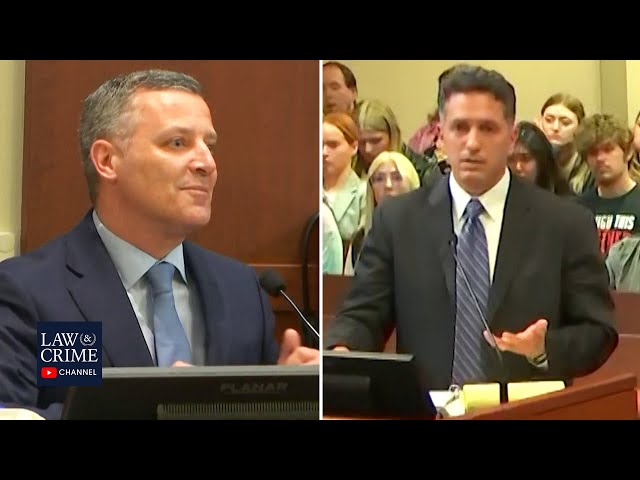
In a authorized continuing, when a lawyer raises an objection to a query they themselves posed, it is named a “lawyer objects to his personal query.” This motion successfully withdraws the query and prevents the witness from answering it. Such objections can come up for varied causes, together with the invention of latest info, a change in technique, or potential hurt to the case.
The significance of understanding this idea lies in its implications for authorized process and trial technique. By objecting to their very own query, legal professionals can preserve management over the stream of knowledge and defend their shoppers’ pursuits. It permits them to adapt to altering circumstances and keep away from potential pitfalls. Moreover, it highlights the importance of cautious planning and preparation in authorized proceedings, as legal professionals should anticipate potential objections and formulate efficient methods accordingly.
The principle article subjects that delve deeper into this topic embrace:
- Grounds for objecting to at least one’s personal query, reminiscent of relevance, privilege, or main questions.
- The influence of such objections on the trial’s and the jury’s notion.
- Moral issues and greatest practices for legal professionals when objecting to their very own questions.
- Historic and notable cases the place legal professionals have employed this tactic.
Lawyer Objects to His Personal Query
The important thing elements of understanding “lawyer objects to his personal query” embody varied dimensions, together with:
- Objection: The lawyer raises a proper objection to their very own query.
- Withdrawal: The query is withdrawn and can’t be answered.
- Technique: Attorneys could object to keep up management over the proceedings.
- Relevance: Objections might be primarily based on the query’s relevance to the case.
- Privilege: Attorneys could object to guard privileged info.
- Main: Objections might be raised if the query is main or suggestive.
- Ethics: Attorneys should take into account moral implications when objecting.
- Process: Objections observe particular authorized procedures and guidelines of proof.
These elements are interconnected and play essential roles in authorized proceedings. As an illustration, a lawyer could object to their very own query to forestall damaging testimony or to protect a witness’s privilege. Understanding these elements gives insights into the complexities of trial technique and the significance of cautious planning within the authorized career.
Objection
The connection between “Objection: The lawyer raises a proper objection to their very own query” and “lawyer objects to his personal query” is prime. Elevating an objection is the formal and important element that constitutes the motion of a lawyer objecting to their very own query. It’s the means by which the lawyer expresses their opposition to the query and initiates the method of getting it withdrawn.
In follow, when a lawyer objects to their very own query, they sometimes state the precise grounds for his or her objection. This may very well be primarily based on relevance, privilege, or another relevant rule of proof. The lawyer may additionally briefly clarify their reasoning for the objection. The decide will then rule on the objection, both sustaining it or overruling it.
Understanding the connection between these two ideas is essential for comprehending the dynamics of authorized proceedings. It highlights the significance of rigorously contemplating the potential penalties of a query earlier than asking it, in addition to the methods legal professionals make use of to handle the stream of knowledge throughout a trial.
Withdrawal
The connection between “Withdrawal: The query is withdrawn and can’t be answered.” and “lawyer objects to his personal query” is important. The withdrawal of a query is a direct consequence of a lawyer objecting to it. When a lawyer raises an objection to their very own query, they’re primarily requesting that the query be withdrawn and never answered. The decide will then rule on the objection, and whether it is sustained, the query will likely be withdrawn.
The withdrawal of a query can have a number of vital implications. First, it will possibly forestall damaging or irrelevant info from being launched into the trial. Second, it will possibly defend the rights of witnesses, reminiscent of the appropriate to privateness or the appropriate towards self-incrimination. Third, it will possibly assist to keep up the equity and integrity of the trial course of.
Understanding the connection between these two ideas is crucial for legal professionals and authorized professionals. It is usually vital for people who’re concerned in authorized proceedings, reminiscent of witnesses or defendants, to grasp that legal professionals have the flexibility to object to their very own questions and to have these questions withdrawn.
Technique
The connection between “Technique: Attorneys could object to keep up management over the proceedings.” and “lawyer objects to his personal query” is important. Objecting to at least one’s personal query is a strategic transfer that enables legal professionals to keep up management over the stream of knowledge and the course of the proceedings. By objecting, legal professionals can forestall damaging or irrelevant info from being launched, defend the rights of their shoppers, and form the narrative of the case.
As an illustration, in a prison trial, a lawyer could object to their very own query in the event that they understand that the reply might probably incriminate their shopper. By objecting, they’ll forestall the query from being answered and defend their shopper’s proper towards self-incrimination. Equally, in a civil trial, a lawyer could object to their very own query in the event that they imagine that the reply may very well be prejudicial to their case. By objecting, they’ll forestall the query from being answered and preserve management over the narrative of the case.
Understanding the connection between these two ideas is crucial for legal professionals and authorized professionals. It is usually vital for people who’re concerned in authorized proceedings, reminiscent of witnesses or defendants, to grasp that legal professionals have the flexibility to object to their very own questions and to have these questions withdrawn. This data can assist people to raised perceive their rights and to take part extra successfully within the authorized course of.
Relevance
The connection between “Relevance: Objections might be primarily based on the query’s relevance to the case.” and “lawyer objects to his personal query” is essential. Relevance is a basic precept in legislation, which ensures that solely proof that’s related to the case at hand is admitted. Attorneys have an obligation to object to irrelevant questions to forestall the introduction of immaterial and probably complicated info into the proceedings.
As an illustration, in a homicide trial, the prosecution could ask a witness in regards to the defendant’s political views. The protection lawyer could object to this query on the grounds of relevance, arguing that the defendant’s political views haven’t any bearing on the crime in query. The decide will then rule on the objection, and whether it is sustained, the query will likely be withdrawn.
Understanding the connection between relevance and objections is crucial for legal professionals and authorized professionals. It is usually vital for people who’re concerned in authorized proceedings, reminiscent of witnesses or defendants, to grasp that legal professionals have the flexibility to object to questions that aren’t related to the case. This data can assist people to raised perceive their rights and to take part extra successfully within the authorized course of.
Privilege
The connection between “Privilege: Attorneys could object to guard privileged info.” and “lawyer objects to his personal query” lies within the lawyer’s moral and authorized responsibility to guard the confidentiality of sure communications and relationships. Authorized privilege safeguards communications between shoppers and their legal professionals, guaranteeing the privateness and belief crucial for efficient authorized illustration. Attorneys are obligated to object to questions that search to elicit privileged info, even when the questions are their very own.
- Legal professional-Shopper Privilege: This privilege protects confidential communications between legal professionals and their shoppers. It encourages open and sincere communication, fostering the legal professional’s skill to supply sound authorized recommendation and illustration. Attorneys should object to questions that probe such privileged communications, guaranteeing the shopper’s proper to privateness and the integrity of the attorney-client relationship.
- Work Product Doctrine: This doctrine shields supplies ready by legal professionals in anticipation of litigation. It safeguards the lawyer’s thought processes, methods, and analysis from disclosure to opposing events. Attorneys could object to questions that search to uncover such work product, preserving the confidentiality of their authorized preparations and defending their shoppers’ pursuits.
- Spousal Privilege: In some jurisdictions, spouses have a privilege to not testify towards one another in prison proceedings. Attorneys representing spouses should object to questions that violate this privilege, upholding the conjugal relationship’s confidentiality and defending the partner’s proper towards self-incrimination.
- Physician-Affected person Privilege: This privilege protects communications between medical professionals and their sufferers. Attorneys representing shoppers with medical points could object to questions that delve into privileged medical info, safeguarding the affected person’s privateness and selling belief within the doctor-patient relationship.
In conclusion, the connection between “Privilege: Attorneys could object to guard privileged info.” and “lawyer objects to his personal query” underscores the lawyer’s paramount responsibility to guard the confidentiality of privileged communications and relationships. Attorneys should vigilantly object to questions that search to breach these privileges, guaranteeing the integrity of the authorized course of, safeguarding shopper rights, and sustaining the belief important for efficient authorized illustration.
Main
Throughout the authorized context, objections to main questions type a vital element of “lawyer objects to his personal query.” Main questions are those who recommend a desired reply or comprise embedded assumptions, probably influencing the witness’s response. Attorneys have an moral obligation to keep away from such questions, guaranteeing the equity and integrity of the proceedings.
- Preservation of Witness Testimony: Main questions can undermine the credibility of witness testimony by pressuring or swaying the witness in direction of a specific reply. Attorneys object to main inquiries to protect the witness’s unbiased recollection and stop the introduction of biased or unreliable proof.
- Impartiality and Objectivity: Attorneys should preserve impartiality and objectivity throughout cross-examination. Main questions can violate this precept, as they try and elicit particular responses that favor one aspect. Objections safeguard the neutrality of the proceedings and be certain that each events have equal alternatives to current their circumstances.
- Relevance and Materiality: Main questions usually search to introduce irrelevant or immaterial info into the trial. Attorneys object to such questions to keep up the deal with pertinent proof and stop the jury from being swayed by extraneous or prejudicial issues.
- Witness Intimidation and Undue Affect: Main questions can intimidate or coerce witnesses, particularly if they’re weak or inexperienced. Objections defend witnesses from undue affect and be certain that their testimony is freely given and never influenced by exterior pressures.
In conclusion, the connection between “Main: Objections might be raised if the query is main or suggestive.” and “lawyer objects to his personal query” emphasizes the lawyer’s responsibility to make sure equity, objectivity, and the reliability of proof in authorized proceedings. By objecting to main questions, legal professionals uphold the integrity of the authorized course of and defend the rights of all events concerned.
Ethics
When analyzing “lawyer objects to his personal query,” it’s crucial to contemplate the moral implications that legal professionals should navigate. This connection is essential as a result of moral issues form the way through which legal professionals strategy objections, guaranteeing the equity and integrity of authorized proceedings.
The moral responsibility to object arises when a lawyer moderately believes {that a} query is improper or unethical. This may occasionally embrace questions that violate attorney-client privilege, work product doctrine, or different moral guidelines. Attorneys should steadiness their responsibility to signify their shoppers zealously with their moral obligations to the courtroom and the authorized career.
As an illustration, a lawyer could object to their very own query in the event that they understand that the reply might incriminate their shopper. This moral obligation to guard the shopper’s rights could outweigh the potential advantages of acquiring the data.
Understanding the connection between ethics and objections is crucial for legal professionals to satisfy their skilled tasks. It additionally safeguards the rights of events concerned in authorized proceedings and upholds the integrity of the authorized system.
Process
The connection between “Process: Objections observe particular authorized procedures and guidelines of proof.” and “lawyer objects to his personal query” lies within the basic rules that govern the conduct of authorized proceedings. Objections are an integral a part of the authorized course of, serving to make sure the equity, accuracy, and effectivity of trials. Attorneys should adhere to established procedures and guidelines of proof when elevating objections, shaping the trajectory of the proceedings.
When a lawyer objects to his personal query, they’re invoking the authorized procedures and guidelines of proof to handle potential points or irregularities. The objection could also be primarily based on varied grounds, reminiscent of relevance, privilege, or main questions. By elevating an objection, the lawyer brings the matter to the eye of the decide or jury, who will then rule on the validity of the objection.
Understanding the connection between process, objections, and a lawyer’s skill to object to his personal query is essential for a number of causes. First, it ensures that legal professionals observe moral {and professional} requirements throughout trials. Second, it helps preserve the integrity of the authorized course of by stopping the introduction of inadmissible or irrelevant proof. Third, it protects the rights of events concerned within the proceedings by guaranteeing that objections are dealt with pretty and impartially.
FAQs on “Lawyer Objects to His Personal Query”
This part addresses regularly requested questions (FAQs) concerning the authorized idea of “lawyer objects to his personal query.” These FAQs intention to supply clear and concise solutions to widespread issues or misconceptions.
Query 1: What does it imply when a lawyer objects to his personal query?
When a lawyer objects to his personal query, they’re formally elevating an objection to the query they themselves have posed. This motion successfully withdraws the query and prevents the witness from answering it.
Query 2: Why may a lawyer object to his personal query?
There are a number of the reason why a lawyer could object to his personal query. These embrace:
- The invention of latest info that renders the query irrelevant or inappropriate.
- A change in technique or strategy to the case.
- The potential for hurt to their shopper’s case if the query is answered.
Query 3: What are the potential penalties of a lawyer objecting to his personal query?
The first consequence of a lawyer objecting to his personal query is that the query is withdrawn and can’t be answered. This will have a major influence on the stream of the proceedings and the flexibility of the events to current their circumstances.
Query 4: Are there any moral issues for legal professionals when objecting to their very own questions?
Sure, legal professionals should take into account the moral implications of objecting to their very own questions. They’ve an obligation to behave in the very best pursuits of their shoppers whereas additionally adhering to the foundations {of professional} conduct. Objecting to a query solely to realize an unfair benefit or hinder the proceedings may very well be thought-about unethical.
Query 5: How does the decide or jury sometimes reply to a lawyer objecting to his personal query?
The decide or jury will sometimes rule on the validity of the objection. If the objection is sustained, the query is withdrawn. If the objection is overruled, the witness could reply the query.
Query 6: Can a lawyer object to his personal query after the witness has began to reply it?
Usually, a lawyer can’t object to his personal query as soon as the witness has begun to reply it. Nevertheless, there could also be exceptions in sure circumstances, reminiscent of if the lawyer believes that the witness is offering false or deceptive info.
Abstract: Understanding the idea of “lawyer objects to his personal query” is essential for authorized professionals and people concerned in authorized proceedings. Attorneys should rigorously take into account the explanations for objecting to their very own questions and navigate the moral issues concerned. The decide or jury’s response to the objection will decide whether or not the query might be answered.
Transition: For additional exploration of this matter, check with the primary article, which gives a complete evaluation of “lawyer objects to his personal query.” Moreover, consulting with a certified authorized skilled is advisable for particular steerage on authorized issues.
Recommendations on “Lawyer Objects to His Personal Query”
Understanding the authorized idea of “lawyer objects to his personal query” is essential for authorized practitioners and people concerned in authorized proceedings. Listed here are some tricks to take into account:
Tip 1: Perceive the Grounds for Objection
Attorneys needs to be aware of the assorted grounds for objecting to a query, reminiscent of relevance, privilege, main questions, and rumour. Understanding these grounds helps legal professionals make knowledgeable selections about when to object to their very own questions.
Tip 2: Take into account the Impression on the Case
Attorneys ought to rigorously take into account the potential influence of objecting to their very own query on the case. Objecting can forestall damaging or irrelevant info from being launched, however it will possibly additionally disrupt the stream of the proceedings and probably hurt the lawyer’s case.
Tip 3: Be Conscious of Moral Concerns
Attorneys should take into account the moral implications of objecting to their very own questions. Objecting solely to realize an unfair benefit or hinder the proceedings may very well be thought-about unethical.
Tip 4: Object Clearly and Concisely
When objecting to their very own query, legal professionals ought to state their objection clearly and concisely, specifying the grounds for the objection. This helps the decide or jury perceive the premise for the objection and make an knowledgeable ruling.
Tip 5: Be Ready to Clarify the Objection
Attorneys could also be requested to clarify the premise for his or her objection additional. They need to be ready to articulate their reasoning and supply authorized help for his or her objection.
Tip 6: Respect the Ruling of the Choose or Jury
The decide or jury will in the end rule on the validity of the objection. Attorneys ought to respect the ruling and proceed accordingly.
Abstract: By following the following tips, legal professionals can successfully navigate the complexities of objecting to their very own questions and uphold the integrity of the authorized course of.
Conclusion: Understanding the idea of “lawyer objects to his personal query” is crucial for authorized professionals. It requires cautious consideration of the grounds for objection, the potential influence on the case, and the moral implications concerned.
Conclusion
The idea of “lawyer objects to his personal query” is an important facet of authorized proceedings, highlighting the advanced and strategic nature of trial follow. Attorneys should possess a deep understanding of the grounds for objection, the potential influence on their case, and the moral issues concerned when objecting to their very own questions.
This exploration has make clear the importance of rigorously weighing the advantages and dangers of objecting, in addition to the significance of respecting the ruling of the decide or jury. By adhering to those rules, legal professionals can successfully navigate the complexities of trial process and uphold the integrity of the authorized course of.
Youtube Video: